


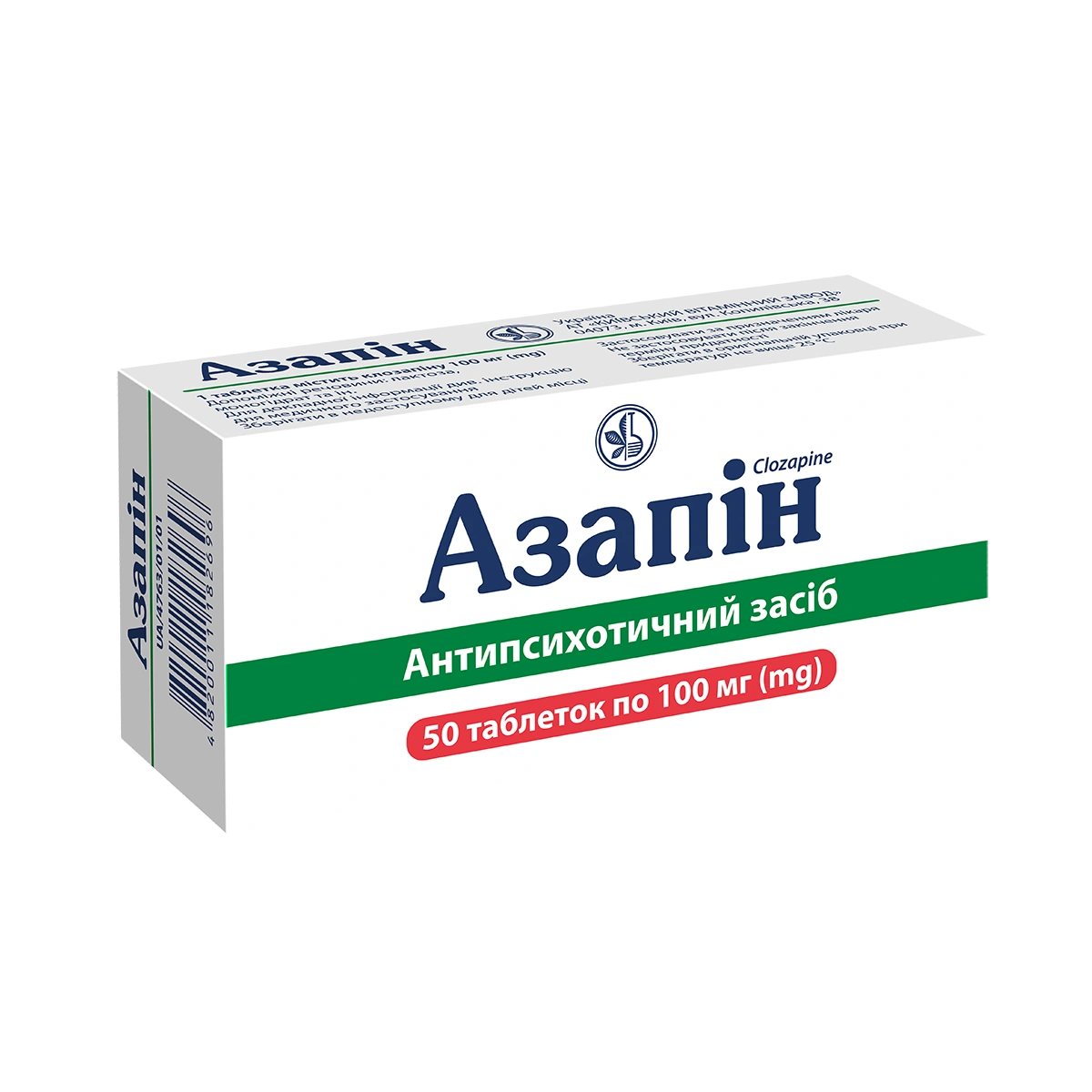
Azapin




Treatment-resistant schizophrenia
Azapine should be prescribed only to patients with schizophrenia who are treatment-resistant or tolerant to standard neuroleptics as defined below.
Resistance to standard neuroleptics is a condition where previous sequential standard neuroleptics trials of sufficient dose, duration, and adherence has not resulted in adequate clinical improvement.
Intolerance to standard neuroleptics is a condition in which severe uncontrollable adverse neurological effects (extrapyramidal symptoms or tardive dyskinesia) occur that make effective neuroleptic therapy with standard neuroleptics impossible.
Risk of recurrence of suicidal attempts
Azapine is indicated for long-term reduction of the risk of recurrence of suicidal behaviour in patients with schizophrenia or schizoaffective disorder who are assessed for such risk based on their medical history and current clinical presentation.
Psychotic disorders during Parkinson’s disease therapy
Azapine is indicated for the treatment of psychotic disorders that develop during Parkinson’s disease, if standard therapy has been ineffective.
Failure of standard therapy is defined as lack of control of psychotic symptoms and/or a functionally unacceptable increase in motor symptoms after the following measures have been taken:
- discontinuation of anticholinergic medicines, including tricyclic antidepressants;
- attempt to reduce the dose of dopaminergic antiparkinsonian medicines.
 Compendium
 Tabletki.ua
 LIKI24
Information about medications intended exclusively for doctors and pharmacists.
PACKAGE LEAFLET
Information for the medical use of the medicinal product
AZAPIN
(Azapin)
Composition:
active substance: clozapine;
1 tablet contains 25 mg or 100 mg of clozapine;
excipients: lactose monohydrate; maize starch; povidone; colloidal anhydrous silica; talc; magnesium stearate.
Pharmaceutical form. Tablets.
Basic physical and chemical properties: round, flat-faced tablets with bevelled edges and a score line, pale yellow in colour.
Pharmacotherapeutic group. Antipsychotics. ATC code N05AH02.
Pharmacological properties.
Pharmacodynamics.
Azapin is an antipsychotic agent that differs from classical antipsychotic medicinal products.
Clozapine does not induce catalepsy or suppress the stereotyped behaviour induced by apomorphine or amphetamine administration. The medicinal product has only weak blocking activity at dopamine D1, D2, D3 and D5 receptors, but shows high efficacy at D4 receptors; it also has anti-α-adrenergic, anticholinergic, antihistaminic activity and suppresses the arousal response. It also displays anti-serotonergic properties. Clinically, Azapin produces a rapid and pronounced sedative effect and a strong antipsychotic action, in particular in patients with schizophrenia who are resistant to treatment with other medicinal products. In such cases Azapin is effective against both the positive and the negative symptoms of schizophrenia. Severe extrapyramidal reactions such as acute dystonia, parkinsonism-like side effects and akathisia occur rarely. Unlike standard neuroleptics, Azapin does not increase, or barely increases, prolactin levels, thereby avoiding undesirable effects such as gynaecomastia, amenorrhoea, galactorrhoea and impotence.
Pharmacokinetics.
Absorption. Absorption of Azapin after oral administration is 90–95 %. Neither the rate nor the extent of absorption is affected by food. Clozapine undergoes moderate first-pass metabolism; absolute bioavailability is 50–60 %.
Distribution. At steady state, with twice-daily dosing, maximum blood levels are reached after a mean of 2.1 hours (range 0.4 to 4.2 hours). The volume of distribution is 1.6 l/kg. Plasma protein binding of clozapine is approximately 95 %.
Biotransformation/metabolism. Prior to excretion, clozapine is almost completely biotransformed. Only one of its principal metabolites, desmethylclozapine (norclozapine), is pharmacologically active; its effects resemble those of clozapine but are considerably weaker and shorter lasting.
Elimination. Elimination of clozapine is biphasic, with a mean half-life of 12 hours (range 6–26 hours). After single 75 mg doses the mean elimination half-life is 7.9 hours; this increases to 14.2 hours at steady state following daily 75 mg doses given for at least 7 days. Only a minor amount of unchanged medicinal product is found in urine and faeces. Approximately 50 % of the administered dose is excreted as metabolites in the urine and 30 % in the faeces.
Linearity/non-linearity. At steady state, increasing the dose of the medicinal product from 37.5 mg to 75 mg and 150 mg twice daily was associated with a linear, dose-proportional increase in the area under the plasma concentration/time curve (AUC), as well as an increase in maximum and minimum plasma concentrations.
Pharmacokinetics in special populations
The medicinal product must be used with particular caution in patients with hepatic impairment, biliary tract disease or renal impairment. In patients with severe forms of these disorders, use of the medicinal product is contraindicated.
Clinical particulars.
Indications.
Treatment-resistant schizophrenia
Azapin should be prescribed only to patients with schizophrenia who are treatment-resistant to, or intolerant of, standard neuroleptics, as defined below.
Resistance to standard neuroleptics is defined as a lack of satisfactory clinical improvement despite prior treatment with adequate doses of standard neuroleptics for an adequate period of time.
Intolerance to standard neuroleptics is defined as the occurrence of severe, uncontrollable neurological adverse effects (extrapyramidal symptoms or tardive dyskinesia) that make effective neuroleptic therapy with standard neuroleptics impossible.
Reduction of the risk of recurrent suicidal behaviour
Azapin is indicated for the long-term reduction in the risk of recurrent suicidal behaviour in patients with schizophrenia or schizoaffective disorder who are judged to be at chronic risk of suicidal behaviour, based on medical history and current clinical presentation.
Psychotic disorders occurring during the course of Parkinson's disease treatment
Azapin is indicated for the treatment of psychotic disorders occurring during the course of Parkinson's disease, in cases where standard treatment has failed.
Failure of standard treatment is defined as lack of control of psychotic symptoms and/or a functionally unacceptable worsening of motor symptoms following the following measures:
– discontinuation of anticholinergic medicinal products, including tricyclic antidepressants;
– attempted reduction of the dose of dopaminergic anti-parkinsonian medicinal products.
Contraindications.
Hypersensitivity to clozapine or to any other component of the medicinal product;
inability to undergo regular blood monitoring in the patient;
history of toxic or idiosyncratic granulocytopenia/agranulocytosis (except granulocytopenia/agranulocytosis from previous chemotherapy);
history of clozapine-induced agranulocytosis;
impaired bone marrow function;
uncontrolled epilepsy;
alcoholic or other toxic psychoses, drug intoxication, comatose conditions;
circulatory collapse and/or central nervous system (CNS) depression of any origin;
severe renal or cardiac disorders (e.g. myocarditis);
active hepatic disease associated with nausea, anorexia or jaundice; progressive hepatic disease, hepatic failure;
paralytic ileus;
Azapin should not be given concomitantly with medicinal products known to carry a substantial risk of causing agranulocytosis; depot neuroleptics should also not be used concomitantly.
Interaction with other medicinal products and other forms of interaction.
Contraindicated concomitant use
Medicinal products with a well-established substantial potential to suppress bone marrow function should not be given concomitantly with Azapin. Long-acting depot neuroleptics (which have myelosuppressive potential) should not be used concomitantly with Azapin, since these substances cannot be rapidly removed from the body should the need arise, for example in the event of neutropenia.
Because of the possible potentiation of sedative effects, alcohol should not be consumed while taking Azapin.
Precautions, including dose adjustment
Azapin may potentiate the CNS-depressant effects of narcotics, antihistamines and benzodiazepines. Particular caution is required when Azapin is prescribed in combination with benzodiazepines or other psychotropic medicinal products, since this combination is associated with an increased risk of circulatory collapse, which can rarely be severe and lead to cardiac and/or respiratory arrest. It is unclear whether dose adjustment can prevent such cardiac or respiratory collapse.
Because of possible additive effects, particular caution is required when medicinal products with anticholinergic, hypotensive or respiratory-depressant properties are used concomitantly.
Because of its anti-α-adrenergic properties, Azapin may attenuate the pressor effect of noradrenaline or other medicinal products with predominant α-adrenergic action, and reverse the pressor effect of adrenaline.
Concomitant use of substances known to inhibit the activity of certain cytochrome P450 enzymes may lead to increased clozapine levels, and the clozapine dose may need to be reduced to prevent adverse effects. This is most relevant for CYP1A2 inhibitors such as caffeine (see below) and selective serotonin reuptake inhibitors such as fluvoxamine. Some other selective serotonin reuptake inhibitors, such as fluoxetine, paroxetine and, to a lesser extent, sertraline, are CYP2D6 inhibitors, and consequently significant pharmacokinetic interactions with clozapine are unlikely. In addition, pharmacokinetic interactions with CYP3A4 inhibitors, such as azole antifungals, cimetidine, erythromycin and protease inhibitors, are unlikely, although some have been reported. Since plasma clozapine concentration increases with caffeine intake and decreases by nearly 50 % after 5 days without caffeine, a change in the amount of coffee consumed daily may make it necessary to adjust the clozapine dose. Abrupt smoking cessation may increase plasma clozapine concentrations, leading to an increase in adverse effects.
Interactions between citalopram and clozapine have been reported, which may increase the risk of clozapine-related adverse events. The nature of this interaction has not been fully elucidated.
Concomitant use of substances known to induce cytochrome P450 enzyme activity may lower plasma clozapine levels, leading to reduced efficacy of the medicinal product. Substances known to induce cytochrome P450 enzyme activity and reported to interact with clozapine include, for example, carbamazepine (should not be used concomitantly with clozapine because of its myelosuppressive potential), phenytoin and rifampicin. Known CYP1A2 inducers, such as omeprazole, may reduce clozapine levels. The potential for reduced clozapine efficacy should be taken into account when it is used in combination with these substances.
Other
Concomitant use with lithium salts or other substances affecting CNS activity may increase the risk of neuroleptic malignant syndrome (NMS).
Rare but serious seizures have been reported, including the onset of seizures in patients without a history of epilepsy, as well as isolated reports of delirium when clozapine was used concomitantly with valproic acid. These effects may result from a pharmacodynamic interaction, the mechanism of which has not been elucidated.
Concomitant treatment with clozapine and valproic acid may increase the risk of clozapine-induced neutropenia and myocarditis. If concomitant use of clozapine with valproic acid is necessary, close clinical monitoring should be ensured.
Attention should be paid to patients receiving concomitant treatment with other substances that are either inhibitors or inducers of cytochrome P450 enzymes. To date, no clinically significant interactions have been observed with tricyclic antidepressants, phenothiazines and type 1C antiarrhythmics, which are known to bind to cytochrome P450 2D6.
As with other antipsychotic medicinal products, caution should be exercised when clozapine is prescribed together with medicinal products known to increase the QTc interval or to cause electrolyte imbalance.
The interactions considered most important with respect to clozapine are summarised in Table 1. This list is not exhaustive.
Most frequent medicinal product interactions with clozapine
Table 1
|
Medicinal product |
Interaction |
Comment |
|
Medicinal products that suppress bone marrow function (e.g. carbamazepine, chloramphenicol), sulfonamides (e.g. co-trimoxazole), pyrazolone analgesics (e.g. phenylbutazone), penicillamine, cytotoxic agents, and long-acting depot injections of antipsychotics |
The interaction increases the risk and/or severity of bone marrow suppression. |
Azapin should not be used concomitantly with other medicinal products that have a known potential to suppress bone marrow function. |
|
Benzodiazepines |
Concomitant use may increase the risk of circulatory collapse, which may lead to cardiac and/or respiratory arrest. |
Although this interaction occurs rarely, caution is advised when these medicinal products are used together. Reports indicate that respiratory depression and collapse are most likely to occur at the start of combined use or when Azapin is added to an established benzodiazepine regimen. |
|
Anticholinergic medicinal products |
Azapin potentiates the effect of these medicinal products through additive anticholinergic activity. |
Patients should be monitored for anticholinergic adverse effects, e.g. constipation, especially when used to control hypersalivation. |
|
Antihypertensive medicinal products |
Azapin may potentiate the hypotensive effect of these medicinal products because of its sympathomimetic antagonist effects. |
Caution is advised when Azapin is used concomitantly with antihypertensive agents. Patients should be warned of the risk of hypotension, particularly during the initial dose-titration period. |
|
Alcohol, MAO inhibitors, CNS-depressant medicinal products, including narcotics and benzodiazepines |
Enhanced effect on the central nervous system. Additive CNS depression and impairment of cognitive and motor function when used in combination with such substances. |
Caution is advised when Azapin is used concomitantly with other CNS-active substances. Patients should be advised of the possible development of additive sedative effects and warned not to drive or operate machinery. |
|
Substances that are highly protein-bound (e.g. warfarin or digoxin) |
Azapin may increase the plasma concentration of these substances by displacing them from plasma protein binding sites. |
Patients should be monitored for adverse effects related to these substances, and doses of protein-bound substances should be adjusted as necessary. |
|
Phenytoin |
Adding phenytoin to Azapin therapy may lower plasma clozapine concentrations. |
If phenytoin use is necessary, the patient should be closely monitored for worsening or recurrence of psychotic symptoms. |
|
Lithium salts |
Concomitant use may increase the risk of neuroleptic malignant syndrome (NMS). |
Patients should be monitored for signs and symptoms of NMS. |
|
Substances that induce CYP1A2 (e.g. omeprazole) |
Concomitant use may lower clozapine levels. |
The potential for reduced clozapine efficacy should be taken into account. |
|
Substances that inhibit CYP1A2 (e.g. fluvoxamine, caffeine, ciprofloxacin) |
Concomitant use may increase clozapine levels. |
The potential for an increase in adverse effects should be taken into account. Caution is also required when concomitant use of CYP1A2 inhibitors is discontinued, as this will lead to a decrease in clozapine levels. |
Special warnings and precautions for use.
Agranulocytosis
Use of Azapin may cause agranulocytosis. The incidence of agranulocytosis and the case-fatality rate among patients who develop agranulocytosis have decreased substantially since absolute neutrophil count monitoring was introduced. Therefore, the precautions set out below are mandatory and must be carried out in accordance with official recommendations.
Because of the risks associated with the use of Azapin, it may be prescribed only if:
• at baseline, patients have a normal absolute neutrophil count (ANC) ≥ 1500/mm³ (1.5 × 10⁹/l) in the general population, and ≥ 1000/mm³ (1.0 × 10⁹/l) in patients with confirmed benign ethnic neutropenia (BEN);
and
• regular ANC testing can be performed weekly during the first 18 weeks of treatment, and monthly thereafter for the following 34 weeks. After 12 months, provided there has been no history of neutropenia during the first year, ANC should be monitored every 12 weeks. After 24 months, provided there has been no history of neutropenia during the preceding two years, ANC determination should be performed only once a year. If mild neutropenia occurs during treatment and subsequently stabilises and/or resolves, ANC monitoring should be performed monthly for the remainder of treatment.
Before starting clozapine treatment, the patient should undergo a blood test, and a medical history and physical examination should be taken. Patients with a history of cardiac disease, or findings on examination suggestive of cardiovascular abnormalities, should be referred to a specialist for further investigation, which should include an ECG; treatment may be given only when the expected benefit clearly outweighs the risk. The physician should consider the need for an ECG before starting treatment.
Physicians prescribing this medicinal product must fully comply with the required safety measures.
Before starting treatment, physicians should, as far as possible, be satisfied that the patient has not previously had an adverse haematological reaction to clozapine that required discontinuation of the medicinal product. Prescriptions should not be issued for a period longer than the interval between two blood tests.
At any time during Azapin treatment, immediate discontinuation of the medicinal product is mandatory if the ANC falls below 1000/mm³ (1.0 × 10⁹/l). Patients in whom Azapin has been discontinued because of a decreased ANC should not be re-challenged with this medicinal product.
At each visit, patients receiving Azapin should be reminded to contact their physician immediately if any signs of infection develop. Particular attention should be paid to complaints of flu-like illness, such as fever or sore throat, and other signs of infection that may indicate neutropenia. Patients and caregivers should be informed that, should any of these symptoms occur, patients must have a blood count performed immediately. Physicians prescribing this medicinal product are advised to keep a record of all the patient's blood test results and to take all necessary measures to prevent the patient being inadvertently re-prescribed the medicinal product in future.
In patients with a history of primary bone marrow disorders, the medicinal product should be prescribed only when the expected benefit of treatment outweighs the risk. Such patients should undergo a haematological assessment before starting treatment with Azapin.
Patients with benign ethnic neutropenia (BEN) require particular attention, and treatment with Azapin should be started only after haematologist approval has been obtained (see the sub-section "Patients with benign ethnic neutropenia (BEN)").
Monitoring of the absolute neutrophil count
A white blood cell count should be performed within 10 days before starting Azapin treatment, to ensure that only patients with normal absolute neutrophil counts (≥ 1.5 × 10⁹/l [1500/mm³]) receive the medicinal product. The absolute neutrophil count must be monitored weekly during the first 18 weeks, and monthly thereafter for the next 34 weeks. After 12 months, provided there has been no history of neutropenia during the first year, ANC should be monitored every 12 weeks. After 24 months, provided there has been no history of neutropenia during the preceding two years, ANC determination should be performed only once a year. If mild neutropenia occurs during treatment and subsequently stabilises and/or resolves, ANC monitoring should be performed monthly for the remainder of treatment.
Monitoring must continue throughout the entire treatment period as described above, and for four weeks after complete discontinuation of Azapin, or until haematological values have recovered (see "Decrease in the absolute neutrophil count" below). At each visit the patient should be reminded to seek medical attention immediately if the first signs of infection, fever, sore throat, or other flu-like symptoms develop. In such cases a white blood cell count should be performed immediately.
Decrease in the absolute neutrophil count
If, during Azapin treatment, the absolute neutrophil count falls to between 1.5 × 10⁹/l (1500/mm³) and 1.0 × 10⁹/l (1000/mm³), haematological testing should be performed at least twice weekly until the patient's ANC stabilises within, or above, the range of 1000–1500/mm³ (1.0–1.5 × 10⁹/l). After stabilisation and/or recovery, ANC monitoring should be performed monthly for the remainder of treatment.
During Azapin treatment, immediate discontinuation is mandatory if the ANC falls below 1000/mm³ (1.0 × 10⁹/l).
Thereafter, the white blood cell count should be performed daily, and patients should be closely monitored for flu-like symptoms or other signs suggestive of infection. It is recommended that the haematological result be confirmed by two blood tests taken on two consecutive days, but Azapin should be discontinued after the first blood test.
After discontinuation of Azapin, haematological testing should continue until recovery.
Table 2. Action to be taken with Azapin according to absolute neutrophil count (ANC) values for the general population
|
Blood cell count ANC/mm³ (/l) |
Action to be taken |
|
≥ 1500 (≥ 1.5 × 10⁹) |
Continue treatment with Azapin. |
|
1000–1500 (1.0 × 10⁹–1.5 × 10⁹) |
Continue treatment with Azapin; perform a blood test twice weekly until haematological values stabilise or increase, then monthly once they have stabilised and/or returned to normal. |
|
< 1000 (< 1.0 × 10⁹) |
Immediately discontinue treatment with Azapin; perform a blood test daily until haematological values return to normal. The patient must not be re-challenged with this medicinal product. |
If, after discontinuation of Azapin, the absolute neutrophil count continues to fall below 1000/mm³ (1.0 × 10⁹/l), treatment must be conducted under the guidance of an experienced haematologist.
Patients with benign ethnic neutropenia (BEN)
For patients with confirmed BEN, the adjusted ANC threshold for starting or continuing clozapine is an ANC ≥ 1000/mm³ (1.0 × 10⁹/l). If the ANC is between 500 and 999/mm³ (0.5–0.9 × 10⁹/l), monitoring should be performed twice weekly. Clozapine should be discontinued if the ANC falls below 500/mm³ (0.5 × 10⁹/l).
Table 3. Action to be taken with Azapin according to ANC values in patients with BEN
|
ANC mm³ (/l) |
Action required |
|
≥ 1000 (≥ 1.0 × 10⁹) |
Continue treatment with Azapin. |
|
500–999 (0.5 × 10⁹–0.9 × 10⁹) |
Continue treatment with Azapin, perform a blood test twice weekly until values stabilise or increase, then monthly once they have stabilised and/or returned to normal. |
|
< 500 (< 0.5 × 10⁹) |
Immediately discontinue treatment with Azapin, take a blood sample daily until the haematological abnormality has resolved. Do not re-challenge the patient with this medicinal product. |
Interruption of therapy for reasons related to haematological values
Patients in whom Azapin has been discontinued because of a decreased ANC (see above) should not be re-challenged with this medicinal product.
Physicians prescribing Azapin are advised to keep a record of all the patient's blood test results and to take all necessary measures to prevent such patients being inadvertently re-prescribed the medicinal product. In the event of complete discontinuation of Azapin, patients should be monitored weekly for 4 weeks.
Interruption of therapy for reasons unrelated to haematological values
In patients whose Azapin therapy of more than 2 years' duration, without a history of neutropenia, was interrupted for reasons other than neutropenia, it is not necessary to resume weekly monitoring; the schedule used before the interruption should instead be followed, regardless of the duration of the interruption (i.e. annual monitoring). In the event of complete discontinuation of the medicinal product, such patients do not need to be monitored weekly for 4 weeks.
Patients who have taken Azapin for between 18 weeks and 2 years, or more than 2 years, and who have had mild neutropenia in their history that did not lead to interruption of treatment, or patients whose treatment was interrupted for more than 3 days but less than 4 weeks, require weekly ANC monitoring for a further 6 weeks. Provided no abnormal values are observed, further monitoring may then be performed no more often than once every 4 weeks. If Azapin therapy was discontinued for 4 weeks or more, weekly monitoring is required for the following 18 weeks of treatment, and the dose of the medicinal product must be re-titrated (see "Posology and method of administration"). In the event of complete discontinuation of treatment, such patients should be monitored weekly for 4 weeks.
Table 4 sets out the ANC monitoring schedule following interruption of Azapin treatment.
Table 4. ANC monitoring after resumption of clozapine interrupted for other (non-haematological) reasons
|
Duration of treatment before interruption |
Episodes of neutropenia before interruption |
Duration of interruption |
Recommended ANC monitoring |
|
≥ 2 years |
None |
Not relevant |
Schedule used before the interruption (i.e. annual monitoring). |
|
≥ 2 years |
Yes |
3 days to < 4 weeks |
Weekly for 6 weeks. After this period, if no haematological abnormalities are observed, monitoring should be performed at intervals not exceeding 4 weeks. |
|
> 18 weeks – 2 years |
Yes/No |
3 days to < 4 weeks |
Weekly for 6 weeks. After this period, if no haematological abnormalities are observed, monitoring should be performed at intervals not exceeding 4 weeks. |
|
≥ 2 years |
Yes |
≥ 4 weeks |
Weekly for the following 18 weeks of treatment, then monthly, and the dose should be re-titrated. |
|
> 18 weeks – 2 years |
Yes/No |
≥ 4 weeks |
Weekly for the following 18 weeks of treatment, then monthly, and the dose should be re-titrated. |
Other precautions
Azapin contains lactose monohydrate. Patients with rare hereditary conditions of galactose intolerance, Lapp lactase deficiency or glucose-galactose malabsorption should not take this medicinal product.
If eosinophilia develops, discontinuation of Azapin is recommended if the eosinophil count rises above 3000/mm³ (3.0 × 10⁹/l); treatment may be restarted only after the eosinophil count has fallen below 1000/mm³ (1.0 × 10⁹/l).
If thrombocytopenia develops, discontinuation of Azapin is recommended if the platelet count falls below 50,000/mm³ (50 × 10⁹/l).
Cardiovascular disorders
During treatment with Azapin, orthostatic hypotension with or without syncope may occur. Rarely, collapse can be severe and may be accompanied by cardiac and/or respiratory arrest. Such reactions are most likely to occur with concomitant use of a benzodiazepine or any other psychotropic agent, and during the initial dose-titration phase because of rapid dose increases; in very rare cases such reactions have been observed even after the first dose of the medicinal product. Therefore, close medical supervision is required at the start of Azapin treatment. Blood pressure should be monitored in both the supine and standing positions during the first weeks of treatment in patients with Parkinson's disease.
Azapin use is known to be associated with an increased risk of myocarditis, especially, but not exclusively, during the first two months of treatment. Myocarditis has occasionally been fatal. Pericarditis/pericardial effusion and cardiomyopathy have also been reported in association with Azapin use; these reports also include fatal cases. Myocarditis or cardiomyopathy should be suspected in patients presenting with persistent resting tachycardia, especially during the first two months of treatment, and/or palpitations, arrhythmias, chest pain, and other signs and symptoms of heart failure (e.g. unexplained fatigue, dyspnoea, tachypnoea), or symptoms mimicking myocardial infarction. Other symptoms that may occur in addition to those listed above include flu-like symptoms. If myocarditis or cardiomyopathy is suspected, Azapin treatment should be discontinued immediately and the patient referred to a cardiologist without delay.
Patients diagnosed with cardiomyopathy while taking Azapin are at risk of developing mitral valve incompetence. Mitral valve incompetence has been reported in cases of clozapine-associated cardiomyopathy. Cases of mitral valve incompetence (detected on two-dimensional echocardiography (2D-Echo)) reported with clozapine use have been mild to moderate in severity.
Patients who develop clozapine-induced myocarditis or cardiomyopathy should not be re-challenged with Azapin.
Myocardial infarction
There have been reports of myocardial infarction, which may have been fatal. In most cases, assessment of the causes was complicated by pre-existing severe cardiac disease.
QT interval prolongation
As with other antipsychotic medicinal products, caution is advised when the medicinal product is used in patients with known cardiovascular disease or a family history of QT interval prolongation.
As with other antipsychotic medicinal products, caution is advised when clozapine is prescribed together with medicinal products known to increase the QTc interval.
Cerebrovascular adverse events
An increased risk of cerebrovascular adverse events has been observed with the use of some antipsychotic agents. The mechanism underlying these events is unknown. Azapin should be used with caution in patients with risk factors for stroke.
Metabolic disorders
Atypical antipsychotics, including Azapin, are associated with metabolic disorders that may increase cardiovascular/cerebrovascular risk. These may include hyperglycaemia, dyslipidaemia and weight gain.
Hyperglycaemia
There have been reports of diabetes mellitus and severe hyperglycaemia, sometimes leading to ketoacidosis or hyperosmolar coma, even in patients without a history of hyperglycaemia or diabetes mellitus. A causal relationship with clozapine has not been established, although blood glucose levels returned to normal in most patients after discontinuation of Azapin. Rechallenge with the medicinal product has occasionally been followed by recurrence of hyperglycaemia. The effect of Azapin on glucose metabolism in patients with pre-existing diabetes mellitus has not been studied. In patients treated with Azapin who develop hyperglycaemia with symptoms such as polydipsia, polyuria, polyphagia or weakness, impaired glucose tolerance should be considered. For patients with marked treatment-related hyperglycaemia, discontinuation of Azapin should be considered. Patients diagnosed with diabetes mellitus who are treated with atypical antipsychotics should have their glucose levels monitored closely. Patients with risk factors for diabetes mellitus (such as obesity, family history) starting treatment with antipsychotics should undergo fasting blood glucose testing at the start of treatment and periodically thereafter. Patients with symptoms of hyperglycaemia should undergo fasting blood glucose testing.
Dyslipidaemia
Adverse changes in lipid parameters have been observed in patients treated with atypical antipsychotics, including Azapin. Clinical monitoring, including lipid assessment, is recommended at the start of treatment and periodically thereafter.
Weight gain
Weight gain has been observed with the use of Azapin. Clinical monitoring of body weight is recommended.
During Azapin treatment, patients with a history of epilepsy should be closely monitored, since dose-dependent seizure activity has been reported. In such cases the dose of the medicinal product should be reduced, and anticonvulsant treatment initiated if necessary.
Patients with existing, stable liver disease may receive Azapin, but require regular monitoring of liver function during therapy. In patients who develop symptoms suggestive of hepatic impairment during Azapin treatment, such as nausea, vomiting and/or anorexia, liver function tests should be performed. If the increase in the values obtained is clinically significant (more than 3 times the upper limit of normal (ULN)), or if symptoms of jaundice develop, Azapin treatment should be discontinued. Treatment may be resumed only once liver function test results have returned to normal. In such cases, liver function should be closely monitored after Azapin is re-introduced.
Azapin has anticholinergic activity, which may lead to adverse effects throughout the body. Close monitoring is required in patients with prostatic hypertrophy and narrow-angle glaucoma. Probably because of its anticholinergic properties, Azapin may cause impairment of intestinal motility of varying severity, ranging from constipation to intestinal obstruction, faecal impaction, paralytic ileus and appendicitis. Rarely, such cases may be fatal. Particular caution is required in patients with a history of colonic disease or of lower abdominal surgery who are receiving concomitant medicinal products known to be constipating (particularly medicinal products with anticholinergic properties, such as some antipsychotics, antidepressants and anti-parkinsonian agents), as such medicinal products may worsen the situation. It is essential to identify and treat constipation.
During Azapin therapy, patients may experience a transient rise in body temperature above 38 °C, with peak incidence in the first 3 weeks of treatment. This rise in temperature is usually benign. It may occasionally be associated with an increase or decrease in ANC. Patients with elevated body temperature should be carefully evaluated to exclude an underlying infection, or the possibility of agranulocytosis. In patients with high fever, the possibility of neuroleptic malignant syndrome (NMS) should be considered. If this diagnosis is confirmed, the medicinal product should be discontinued immediately and appropriate treatment initiated.
During clozapine treatment, impaired glucose tolerance and/or the development or exacerbation of diabetes mellitus have rarely been reported. The mechanism underlying this phenomenon remains unclear. Cases of severe hyperglycaemia, sometimes accompanied by ketoacidosis or hyperosmolar coma, have been reported very rarely in patients without a history of hyperglycaemia; some of these cases were fatal. Discontinuation of clozapine has been found to lead mainly to a resolution of the impaired glucose tolerance, while rechallenge with the medicinal product led to recurrence of the phenomenon. Discontinuation of clozapine should be considered in patients in whom active pharmacological treatment of hyperglycaemia has been ineffective.
Since use of Azapin may be associated with the development of thromboembolism, patient immobilisation should be avoided. Cases of venous thromboembolism (VTE) have been reported with the use of antipsychotic medicinal products. Since patients receiving antipsychotic medicinal products often have acquired risk factors for VTE, all possible risk factors for VTE should be identified before and during treatment with Azapin, and preventive measures taken accordingly.
Acute withdrawal reactions have been reported after abrupt discontinuation of clozapine; gradual discontinuation of the medicinal product is therefore recommended. If abrupt discontinuation is necessary (e.g. because of leucopenia), the patient should be closely monitored for recurrence of psychotic symptoms and for symptoms associated with cholinergic rebound, such as profuse sweating, headache, nausea, vomiting and diarrhoea.
Severe cutaneous adverse reactions (SCARs)
Drug reaction with eosinophilia and systemic symptoms (DRESS), which may be life-threatening or fatal, has been reported in association with clozapine (see "Undesirable effects").
Patients should be informed of the signs and symptoms of DRESS and closely monitored.
If signs and symptoms suggestive of this reaction appear, clozapine should be discontinued immediately and alternative treatment considered, if appropriate.
If a patient develops DRESS while taking clozapine, clozapine treatment must never be resumed in that patient.
Use in patients over 60 years of age
Treatment in elderly patients is recommended to be started with the lowest dose of the medicinal product (12.5 mg once daily on the first day of treatment), after which the dose may be increased to 25 mg daily.
Treatment with Azapin may be associated with orthostatic hypotension; cases of tachycardia, which may be persistent, have also been reported. Patients over 60 years of age, especially those with a compromised cardiovascular system, may be more susceptible to these effects.
Elderly patients may also be more susceptible to the anticholinergic effects of Azapin, such as urinary retention and constipation.
Patients over 60 years of age with dementia
Elderly patients with dementia treated with antipsychotic medicinal products have been found to have a slightly increased risk of death compared with patients not receiving treatment. Risk factors cited in the literature include cardiac arrhythmia and pulmonary disease (e.g. pneumonia, with or without aspiration). Available data are insufficient to give a reliable estimate of the exact magnitude of the risk; the reason for the increased risk currently remains unknown.
Azapin is not approved for the treatment of dementia-related behavioural disorders in patients over 60 years of age.
Use during pregnancy or breast-feeding.
Pregnancy
Only limited clinical data are available on the effects of clozapine on pregnancy. The medicinal product should be used in pregnant women with caution, and only when the expected benefit of treatment outweighs the potential risk to the foetus.
Neonatal exposure to antipsychotic medicinal products (including Azapin) during the third trimester of pregnancy carries a risk of adverse reactions, including extrapyramidal symptoms and/or withdrawal symptoms, which may vary in severity and duration after birth. There have been reports of agitation, hypertension, hypotension, tremor, somnolence, respiratory disorders or feeding disorders. Newborns should therefore be closely monitored.
Breast-feeding
Women being treated with Azapin should not breast-feed.
Women of childbearing potential
Switching from another neuroleptic to Azapin may result in restoration of normal menstrual function. Women of childbearing potential should therefore use adequate contraception.
Effects on ability to drive and use machines.
Because of the sedative effect of Azapin and its ability to lower the seizure threshold, patients should avoid driving or operating machinery, particularly during the first weeks of treatment.
Posology and method of administration.
The dose of the medicinal product should be individualised. The lowest effective dose should be used for each patient.
Treatment with Azapin should be started only when the patient's absolute neutrophil count (ANC) is ≥ 1500/mm³ (1.5 × 10⁹/l) and blood values are within the standard normal range.
Dose adjustment is indicated in patients also receiving medicinal products that interact pharmacodynamically and pharmacokinetically with Azapin, such as benzodiazepines or selective serotonin reuptake inhibitors (SSRIs).
The following dosing schedule is recommended.
Treatment-resistant schizophrenia
Starting dose
On the first day, 12.5 mg (½ of a 25 mg tablet) should be given once or twice, and 1 or 2 tablets of 25 mg on the second day. If well tolerated, the dose may be increased gradually by 25–50 mg/day to reach 300 mg/day within 2–3 weeks. Thereafter, if necessary, the daily dose may be increased further by 50–100 mg at intervals of twice weekly or, preferably, weekly.
Therapeutic range
In most patients, an antipsychotic effect can be expected at a dose of 300–450 mg/day, given in divided doses. In some patients, lower daily doses may be adequate, while others may require doses of up to 600 mg/day.
The total daily dose may be divided unequally, with the largest portion taken at bedtime.
Maximum dose
To achieve full therapeutic effect, some patients may require higher doses; in such cases a gradual increase in dose is advisable (i.e. increments should not exceed 100 mg) up to 900 mg/day. An increase in adverse reactions (in particular seizures) is possible at doses exceeding 450 mg/day.
Maintenance dose
Once the maximum therapeutic effect has been achieved, many patients can be effectively maintained on lower doses of the medicinal product. A gradual dose reduction is recommended for this purpose. Treatment should be continued for at least 6 months. If the daily dose does not exceed 200 mg, a single evening dose may be appropriate.
Discontinuation of therapy
If discontinuation of Azapin treatment is planned, a gradual dose reduction over 1–2 weeks is recommended. If abrupt discontinuation of the medicinal product is necessary (e.g. because of leucopenia), the patient should be closely observed for possible exacerbation of psychotic symptoms or symptoms associated with cholinergic rebound (e.g. increased sweating, headache, nausea, vomiting and diarrhoea).
Restarting therapy
If more than 2 days have elapsed since the last dose of Azapin, treatment should be restarted at 12.5 mg (½ of a 25 mg tablet) once or twice on the first day. If this dose is well tolerated, the dose may be increased to the therapeutic level more rapidly than recommended for initial treatment. However, if the patient experienced respiratory or cardiac arrest during the initial titration period, but the dose was subsequently successfully increased to a therapeutic level, dose re-titration should be carried out very cautiously.
Switching from prior neuroleptic treatment to therapy with Azapin
As a general rule, Azapin should not be prescribed in combination with other neuroleptics. If treatment with Azapin needs to be started in a patient already receiving an oral neuroleptic, it is recommended, where possible, that treatment with the other neuroleptic be discontinued first, with a gradual dose reduction over 1 week. Treatment with Azapin may then be started, as described above, no sooner than 24 hours after complete discontinuation of the other neuroleptic.
Reduction of the risk of recurrent suicidal behaviour
The dosing and administration recommendations are the same as for treatment-resistant schizophrenia.
Psychotic disorders occurring during the course of Parkinson's disease treatment
The starting dose should not exceed 12.5 mg/day (½ of a 25 mg tablet), taken as a single evening dose. Further dose increases should be by 12.5 mg, with a maximum increase of twice weekly, up to 50 mg – a dose that should not be reached before the end of week 2. The total daily dose should preferably be taken as a single evening dose.
The average effective dose is usually 25 mg to 37.5 mg/day. If treatment for at least one week at a dose of 50 mg/day does not provide a satisfactory therapeutic response, the dose may be cautiously increased by 12.5 mg per week.
A dose of 50 mg/day should be exceeded only in exceptional circumstances, and the maximum dose must never exceed 100 mg/day.
Dose increases should be limited or stopped if orthostatic hypotension, excessive sedation or confusion occurs. Blood pressure should be monitored during the first weeks of treatment.
If full remission of psychotic symptoms persists for at least 2 weeks, the dose of the anti-parkinsonian medicinal product may be increased, if the increase is based on motor status. If this approach leads to a recurrence of psychotic symptoms, the Azapin dose may be increased in increments of 12.5 mg/week up to a maximum dose of 100 mg/day, given as a single dose or in 2 divided doses.
Ending therapy
A gradual dose reduction of 12.5 mg over at least 1 week (preferably 2 weeks) is recommended. Treatment should be discontinued immediately if neutropenia or agranulocytosis occurs. In this situation, close psychiatric monitoring of the patient is required, as symptoms may recur rapidly.
Use in elderly patients
Treatment is recommended to be started with a particularly low dose of the medicinal product (12.5 mg once on the first day), with subsequent dose increases not exceeding 25 mg per day.
Use in patients with cardiovascular disorders
Treatment is recommended to be started with a low dose of the medicinal product (12.5 mg once daily on the first day), followed by slow, small dose increases.
Use in patients with renal impairment
For patients with mild to moderate renal impairment, the starting dose should be 12.5 mg once daily on the first day, followed by slow, small dose increases.
Use in patients with hepatic impairment
Patients with hepatic impairment should use the medicinal product with caution, with regular monitoring of liver function.
Paediatric population.
The safety and efficacy of Azapin in children have not been established; therefore the medicinal product should not be given to children.
Overdose.
The mortality rate associated with acute deliberate or accidental overdose of Azapin is known to be approximately 12 %. Most fatalities were due to cardiac failure or aspiration pneumonia and occurred following doses in excess of 2000 mg. There have been reports of patients who recovered after overdoses exceeding 10,000 mg. However, in several adult patients, mostly those who had not previously received Azapin, a dose of as little as 400 mg resulted in life-threatening coma, and in one case in death. In young children, ingestion of 50–200 mg led to marked sedation or coma, but without a fatal outcome.
Symptoms: drowsiness, lethargy, coma, areflexia, confusion, hallucinations, agitation, delirium, extrapyramidal symptoms, hyperreflexia, seizures; hypersalivation, mydriasis, blurred vision; fluctuations in body temperature; hypotension, collapse, tachycardia, arrhythmia; aspiration pneumonia, dyspnoea, respiratory depression or failure.
Treatment. No specific antidote is known. The following non-specific measures are indicated: immediate and repeated gastric lavage and/or subsequent administration of activated charcoal within 6 hours of taking the medicinal product; cardiorespiratory intensive care (ECG, continuous monitoring); continuous monitoring of electrolytes and acid–base balance. Peritoneal dialysis and haemodialysis are unlikely to be effective. Epinephrine should be avoided in the treatment of hypotension, because of the possible "epinephrine reversal" effect.
For anticholinergic effects, use parasympathomimetic agents such as physostigmine (crosses the blood–brain barrier), pyridostigmine or neostigmine.
For arrhythmia, use potassium salts, potassium bicarbonate or digitalis, depending on symptoms; quinidine and procainamide are contraindicated.
For hypotension, infuse albumin or plasma expanders. Dopamine or angiotensin are the most effective stimulants. Epinephrine and other beta-sympathomimetics are contraindicated (possible increase in vasodilation).
For seizures, use diazepam intravenously or phenytoin by slow intravenous injection. Long-acting barbiturates are contraindicated.
Because of the possibility of delayed reactions, the patient should be observed for at least 5 days.
Undesirable effects.
In most cases, the adverse-event profile of clozapine is predictable on the basis of its pharmacological properties. An important exception is the ability of the medicinal product to cause agranulocytosis. Because of this risk, use of the medicinal product is restricted to the treatment of schizophrenia resistant to treatment with other medicinal products, and of psychosis occurring during the course of Parkinson's disease, where standard treatment has failed. Although blood-count monitoring is an important part of the care of patients receiving clozapine, physicians should be aware of other rare but serious adverse reactions that can be identified early only through careful observation of, and enquiry with, the patient, in order to prevent morbidity and mortality.
Blood and lymphatic system disorders: decreased total white cell count, neutropenia, eosinophilia, leukocytosis; agranulocytosis; anaemia, lymphopenia; thrombocytopenia, thrombocytosis.
Granulocytopenia and/or agranulocytosis are possible complications of Azapin therapy. Although agranulocytosis usually resolves after discontinuation of treatment, it may lead to sepsis and be fatal. To prevent the development of life-threatening agranulocytosis, Azapin must be discontinued promptly. This requires regular ANC monitoring (see "Special warnings and precautions for use").
Metabolism and nutrition disorders: weight gain, impaired glucose tolerance, diabetes mellitus (even in patients without a history of hyperglycaemia or diabetes mellitus), severe hyperglycaemia, ketoacidosis, hyperosmolar coma (even in patients without a history of hyperglycaemia or diabetes mellitus); hypercholesterolaemia, hypertriglyceridaemia.
During clozapine treatment, impaired glucose tolerance and/or the development or exacerbation of diabetes mellitus have occasionally been reported. Very rarely, cases of severe hyperglycaemia have been reported in patients without a prior history of hyperglycaemia who were treated with Azapin, sometimes leading to ketoacidosis/hyperosmolar coma. Glucose levels returned to normal in most patients after discontinuation of Azapin; on rechallenge, hyperglycaemia was occasionally observed again. Although most patients had risk factors for non-insulin-dependent diabetes mellitus, cases of hyperglycaemia have also been reported in patients with no known risk factors.
Psychiatric disorders: dysarthria, stuttering, restlessness, agitation.
Nervous system disorders: somnolence and sedation, dizziness; blurred vision, headache, tremor, muscle rigidity, akathisia, extrapyramidal symptoms, epileptic seizures, convulsions, myoclonic jerks; confusion, delirium; tardive dyskinesia, obsessive-compulsive symptoms.
Azapin may cause EEG changes, including spike-and-wave complexes. The medicinal product lowers the seizure threshold in a dose-dependent manner and may cause myoclonic jerks or generalised seizures. These symptoms are more likely to develop with rapid dose increases and in patients with a history of epilepsy. In such cases, the dose should be reduced, and anticonvulsant therapy started if necessary. Carbamazepine should be avoided because of its potential to suppress bone marrow function. Fatal seizures have been reported. When other anticonvulsants are prescribed, the possibility of pharmacokinetic interactions should be considered. Delirium occurs rarely in patients treated with Azapin.
Very rare reports have described the emergence of tardive dyskinesia in patients treated with Azapin together with other neuroleptics. Symptoms of tardive dyskinesia that developed during treatment with other neuroleptics improved on switching to Azapin.
Eye disorders: blurred vision.
Cardiac disorders: tachycardia; ECG changes; cardiomyopathy, cardiac arrest; atrial fibrillation, mitral valve incompetence associated with cardiomyopathy.
Tachycardia and orthostatic hypotension with or without syncope may occur, especially during the first weeks of treatment. The frequency and severity of hypotension depend on the rate and extent of dose titration. Circulatory collapse has been reported as a result of severe hypotension, associated in particular with rapid dose titration, with possible serious consequences including cardiac or respiratory arrest.
A small number of patients treated with clozapine have shown ECG changes similar to those seen with other antipsychotic medicinal products, including ST-segment depression and T-wave flattening or inversion, which reverted to normal after discontinuation of the medicinal product. The clinical significance of these changes remains unclear. However, such abnormalities have been observed in patients with myocarditis, which should be taken into account.
Isolated reports of arrhythmia, pericarditis/pericardial effusion and myocarditis have been received, some of which were fatal.
In most cases, myocarditis was observed within the first 2 months of starting clozapine treatment.
Cardiomyopathy generally developed later during treatment.
Eosinophilia has been reported concurrently with some cases of myocarditis (approximately 14 %) and pericarditis/pericardial effusion; however, it currently remains unknown whether eosinophilia is a reliable predictor of the development of carditis.
Signs and symptoms of myocarditis or cardiomyopathy include persistent resting tachycardia, palpitations, arrhythmia, chest pain, and other signs and symptoms of heart failure (e.g. unexplained fatigue, dyspnoea, tachypnoea), or symptoms mimicking myocardial infarction. Other symptoms that may be present in addition to those listed above include flu-like symptoms.
Cases of sudden, unexplained death are known to occur in psychiatric patients receiving conventional antipsychotic medicinal products, as well as in psychiatric patients not receiving treatment. Such fatalities have occurred very rarely in patients treated with clozapine.
Ventricular tachycardia and QT interval prolongation, which may be associated with torsade de pointes-type ventricular tachycardia, have been reported very rarely, although a definite causal relationship with use of this medicinal product has not been established.
Vascular disorders: hypertension or hypotension, syncope, thromboembolism, venous thromboembolism.
Respiratory, thoracic and mediastinal disorders: aspiration of ingested material (into the respiratory tract), pneumonia and lower respiratory tract infections, which may be fatal; respiratory depression or arrest with or without circulatory collapse.
Gastrointestinal disorders: constipation, hypersalivation; nausea, vomiting, anorexia, dry mouth; dysphagia; salivary gland enlargement, intestinal obstruction, paralytic ileus, faecal impaction, appendicitis* (frequency unknown).
Aspiration of ingested material may occur in patients with dysphagia or as a result of acute overdose of the medicinal product.
Hepatobiliary and pancreatic disorders: increased liver enzymes; hepatitis, cholestatic jaundice, pancreatitis; fulminant hepatic necrosis.
If jaundice develops, Azapin should be discontinued. Acute pancreatitis has rarely been reported.
Skin and subcutaneous tissue disorders: skin reactions.
Renal and urinary disorders: urinary incontinence, urinary retention; interstitial nephritis.
Reproductive system disorders: priapism.
General disorders: fatigue, elevated body temperature, benign hyperthermia, impaired regulation of sweating and body temperature, neuroleptic malignant syndrome; sudden death of unexplained cause, hypersensitivity reactions.
Cases of neuroleptic malignant syndrome (NMS) have been reported in patients receiving clozapine either as monotherapy or in combination with lithium salts or other active substances affecting CNS function.
Cases of acute withdrawal reactions have been reported.
Investigations: increased creatine phosphokinase.
Pregnancy, puerperium and perinatal conditions: drug withdrawal syndrome in the newborn.
* Including perforated appendicitis.
Neoplasms benign, malignant and unspecified (including cysts and polyps): haematological malignancies (frequency unknown).
The following adverse reactions have also been reported:
Immune system disorders: angioedema, leukocytoclastic vasculitis.
Nervous system disorders: cholinergic syndrome (following abrupt discontinuation of the medicinal product); EEG changes, pleurothotonus.
Cardiac disorders: myocardial infarction, which may be fatal; angina pectoris.
Respiratory, thoracic and mediastinal disorders: nasal congestion.
Gastrointestinal disorders: diarrhoea; abdominal discomfort/heartburn/dyspepsia.
Musculoskeletal and connective tissue disorders: muscle spasms; muscle weakness; myalgia; systemic lupus erythematosus.
Hepatobiliary disorders: hepatic steatosis; hepatic necrosis; hepatotoxicity; hepatic fibrosis; liver cirrhosis; impaired liver function, including hepatocellular, cholestatic or mixed liver injury, hepatic failure, which may be fatal and may require liver transplantation.
Skin and subcutaneous tissue disorders: pigmentation disorder.
Renal and urinary disorders: nocturnal enuresis; renal failure.
Reproductive system and breast disorders: retrograde ejaculation.
Description of selected adverse reactions
Haematological malignancies
Epidemiological studies have shown a cumulative dose- and time-dependent association between clozapine and haematological malignancies. In a large cohort study, the absolute risk of developing a haematological malignancy was 61 cases per 100,000 person-years among patients treated with clozapine, compared with 41 cases per 100,000 person-years among those treated with other antipsychotics, corresponding to 0.7 % of patients treated with clozapine versus 0.5 % in the comparator group, over a mean follow-up period of 12.3 years. High cumulative clozapine exposure was associated with an adjusted odds ratio (aOR) of 3.35 (95 % CI 2.22–5.05), and treatment duration ≥ 5 years with an aOR of 2.94 (95 % CI 2.07–4.17). A cumulative dose–response relationship was also observed for lymphoma, with an aOR of 4.06 (95 % CI 2.60–6.33) at the same cumulative dose threshold. The extent to which haematological monitoring of clozapine-treated patients may influence these estimates is unknown.
Shelf life. 4 years.
Special precautions for storage.
Store in the original package at a temperature not exceeding 25 °C.
Keep out of the reach and sight of children.
Pack size. 10 tablets per blister; 5 blisters per carton.
Legal status for supply. Prescription only medicine.
Marketing authorisation holder / Manufacturer. PJSC "KYIV VITAMIN PLANT".
Location of the manufacturer and address of its place of business.
38 Kopylivska Street, Kyiv, 04073, Ukraine.
Website: www.vitamin.com.ua
Information about medications intended exclusively for doctors and pharmacists.